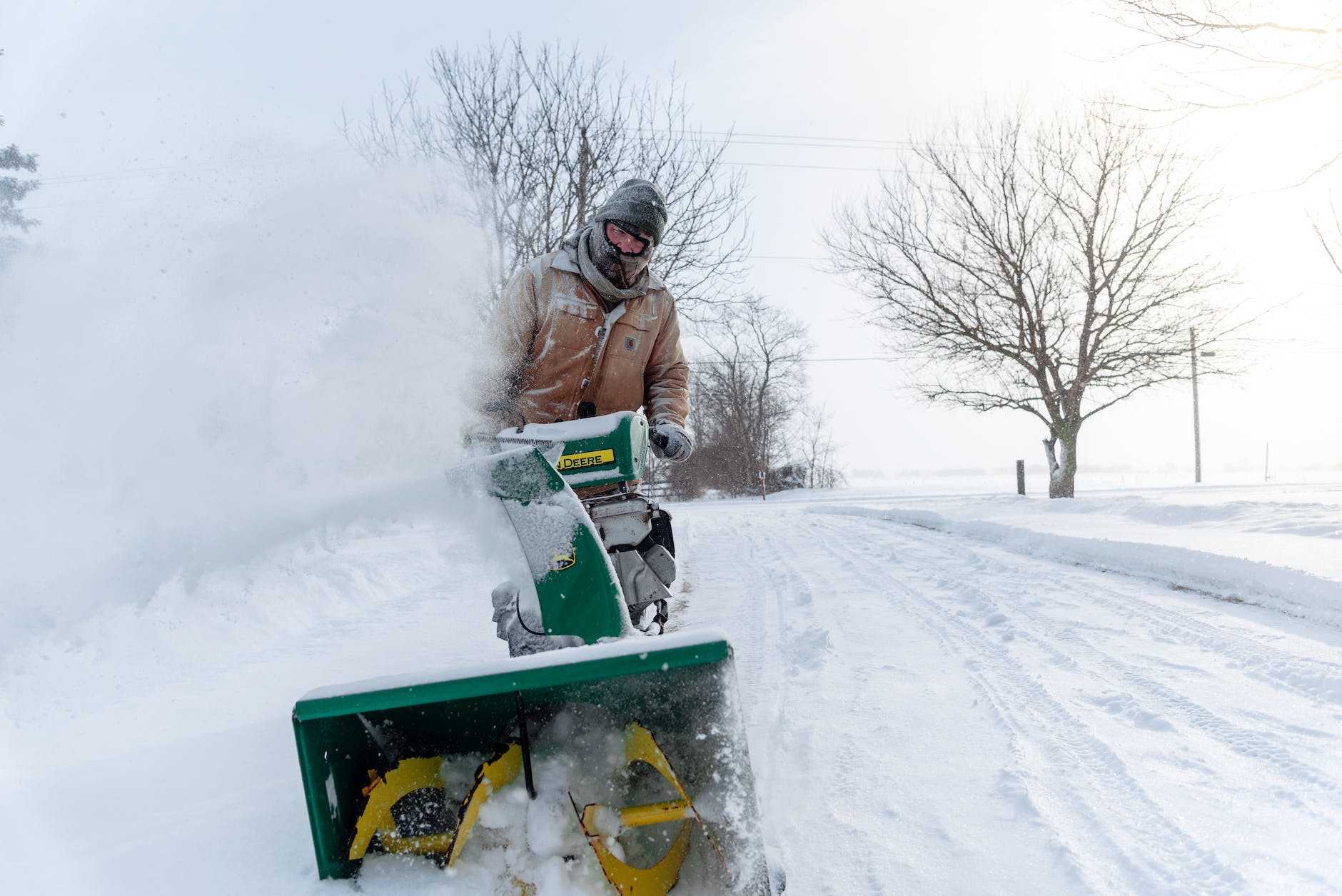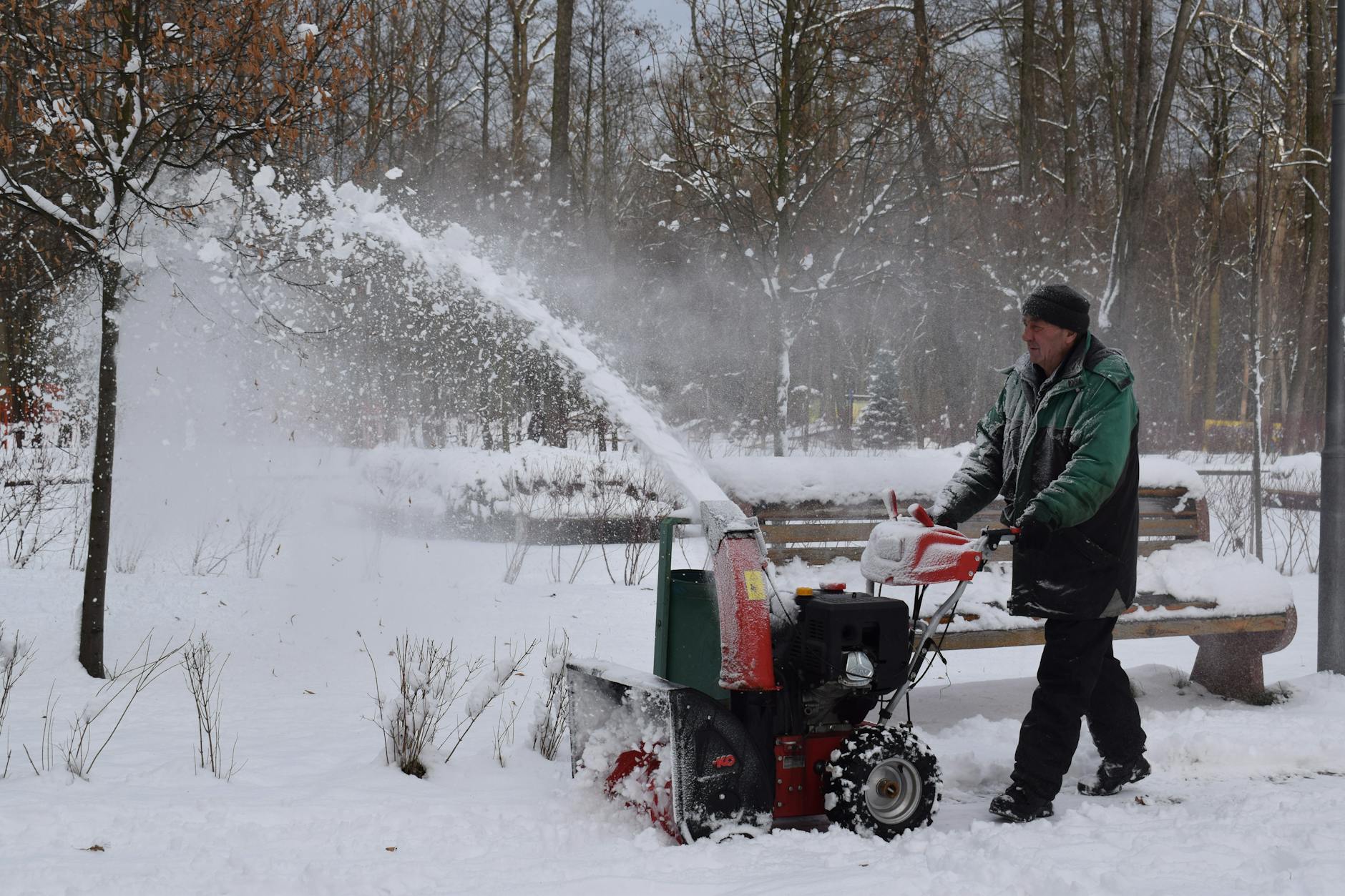
Snowblowers are essential tools for clearing snow during the winter season, but what happens when yours won’t stay running? It can be frustrating and inconvenient, especially when you’re in the middle of clearing snow. However, there are several common reasons why a snowblower may experience this issue. In this blog post, we will explore mechanisms of a snowblower, understand the role of fuel, carburetor, fuel line, and filter, identify common causes for breakdown, and provide solutions for these issues.
Understanding Your Snow Blower
Before we dive into the specific steps to start your snowblower, it’s important to have a basic understanding of your snowblower and its key components. A snowblower is a machine designed to clear snow from surfaces such as driveways, walkways, and sidewalks. It consists of a fuel system, including a fuel tank, carburetor, and fuel line, as well as an ignition system, which includes a spark plug, ignition switch, and ignition key. Familiarizing yourself with these components will help you troubleshoot any potential issues that may arise during start-up.
Importance of Knowing Your Equipment
Knowing your snowblower inside and out is not only a good idea, but it can also prevent accidents and damage. Understanding your snowblower’s capabilities, such as the amount of snow it can handle, will help you determine the most efficient way to clear the snow. Additionally, being familiar with your snowblower will enable you to troubleshoot common start-up issues, such as fuel line blockages or spark plug problems. By knowing the operational limits of your snowblower, you can ensure safe and efficient use.
The Parts of a Snow Blower
To better understand your snowblower, let’s break down its key components:
- Spark plug: The spark plug provides the ignition spark that starts the engine.
- Fuel tank: The fuel tank stores the gas or fuel mixture needed to power the snowblower.
- Throttle: The throttle controls the engine speed, allowing you to adjust the power output.
- Choke: The choke regulates the air and fuel mixture, especially during cold weather start-ups.
- Primer bulb: The primer bulb assists in fuel delivery, helping start the engine.
- By familiarizing yourself with these parts, you’ll be able to identify and address any issues that may arise during start-up, ensuring a smooth snowblower operation.
Pre-Start Checks for Snow Blower
Performing pre-start checks for a snow blower is essential before every use to ensure safe and efficient operation.
Inspect the extension cord for any damage and connect it securely to the snow blower. Check the gas tank to ensure it’s filled with clean, fresh fuel and free from any leaks or damage.
Examine the fuel line for cracks or wear, and ensure the gas cap is tightly sealed to prevent gas fumes from escaping.
Additionally, check the snow blower engine for any signs of wear or damage and clear any debris around the machine.
Checking Fuel Levels
One of the crucial pre-start checks for your snowblower is checking the fuel levels. Ensure that the fuel tank has enough fresh fuel to power the snowblower. If the fuel has been sitting for an extended period, consider using a fuel stabilizer to prevent stale gas. Stale gas can cause start-up issues, so it’s essential to have enough fuel that is fresh and free from contaminants. Regularly checking the fuel tank for debris or contamination will help maintain a clean fuel system, ensuring optimal snowblower performance.
Ensuring Safety Ignition Key is in Place
Before starting your snowblower, it’s crucial to ensure that the safety ignition key is properly in place. The ignition key serves as a safety feature, preventing unauthorized use or accidental start-up. It is designed to ensure that only authorized individuals can operate the snowblower. By correctly installing the ignition key, you not only deter theft but also reduce the risk of accidents or injuries. Always confirm that the ignition key is securely in position before attempting to start the snowblower to prioritize safety.
Inspecting the Spark Plug & Ignition System
Inspecting the spark plug and ignition system is vital for a successful start-up of your snowblower. Start by checking the spark plug wire, ensuring it is securely connected to both the spark plug and the ignition system. Any damage to the spark plug wire can negatively impact the snowblower’s ignition system, leading to start-up issues. Regular maintenance, such as inspecting the spark plug, can help prevent potential problems. By familiarizing yourself with the spark plug and ignition system, you’ll be better equipped to troubleshoot any start-up difficulties and maintain efficient snowblower operation.
Starting Your Snow Blower: Step by Step Guide
Now that you’ve completed the pre-start checks, it’s time to start your snowblower. The steps may vary depending on whether your snowblower has a recoil start or an electric start feature, but we’ll cover both methods. In the following sections, we’ll guide you through the step-by-step process of starting your snowblower, ensuring that you’re well-prepared for any winter weather conditions.
Setting the Choke to Full
If your snowblower has a choke, it’s important to set it to the full position, especially in cold weather. The choke regulates the air and fuel mixture, enriching the fuel mixture to aid in start-up during cold conditions. By setting the choke to full, you ensure that the snowblower receives enough fuel for ignition, increasing the likelihood of a successful start. Understanding the choke’s function and position is key to starting your snowblower effectively, particularly in cold weather environments.
Moving the Throttle to Fast Position
To prepare your snowblower for start-up, move the throttle to the fast position. This primes the snowblower for efficient start-up by increasing the engine speed. The throttle’s fast position ensures optimal engine performance during start-up and snow removal. Familiarize yourself with the throttle’s function and position to effectively operate your snowblower. By adjusting the throttle to the fast position, you’re ready to get your snowblower up and running smoothly, tackling the snow with ease.
Opening the Fuel Shutoff Valve
Before attempting to start the snowblower, it’s essential to open the fuel shutoff valve. Turning the fuel shutoff valve to the open position allows fuel to flow to the engine, supplying the snowblower with the necessary fuel for start-up. Ensure that the fuel shutoff valve is in the run position, allowing fuel to pass through the fuel line. By properly opening the fuel shutoff valve, you enable fuel availability, ensuring a seamless start for your snowblower.
Flipping the Ignition Switch to Run
Flipping the ignition switch to the run position is the next step in starting your snowblower. Confirm that the ignition switch is set to run before attempting to start the snowblower. The run position enables the ignition system to provide the spark required for ignition. Ensuring that the ignition switch is correctly set is crucial for a successful start, as it activates the snowblower’s engine. By following this step, you’re on the right track to getting your snowblower up and running.
Pressing the Primer Bulb
Pressing the primer bulb is an important step in preparing your snowblower for start-up. The primer bulb helps draw fuel into the carburetor, ensuring sufficient fuel delivery to the engine. It assists in the initial fuel system priming, which is especially beneficial after the snowblower has been sitting for a while. Properly pressing the primer bulb aids in fuel system operation, supporting a smooth start for your snowblower. By completing this step, you ensure that the engine receives the fuel it needs for ignition.
Pulling the Starter Rope
If your snowblower has a recoil start, it’s time to pull the starter rope. Slowly pull the starter rope in a smooth, steady motion, allowing the recoil mechanism to engage and start the engine’s ignition process. Repeat the pulling motion as necessary until you start the engine. This is the normal way to start a snowblower with a recoil start feature. By repeatedly pulling the starter rope, you kick-start the snowblower’s engine, initiating the ignition process.
Using Electric Start Option for Your Snow Blower
If your snowblower has an electric start feature, there’s no need to pull a starter rope. The electric start option provides a convenient and effortless way to start your snowblower, particularly in cold weather or for individuals with limited strength. To use the electric start, plug in the power cord to an appropriate power source, then activate the electric starter according to the manufacturer’s instructions. Electric start eliminates the need for manual pulling of starter ropes, offering a hassle-free alternative.
Plugging in the Power Cord
To use the electric start feature on your snowblower, start by plugging in the power cord:
- Securely plug the power cord into an appropriate power source.
- If needed, use an extension cord with the correct amperage rating.
- Ensure the power cord is properly connected before attempting to start your snowblower using the electric start feature.
- By plugging in the power cord, you’re activating the electric starter system, which simplifies the start-up process for your snowblower, particularly in cold weather or if manual start options are challenging for you.
Still Having Trouble Starting Your Snow Blower?
If you’re experiencing difficulties starting your snowblower, don’t worry, there are troubleshooting tips to help:
- Consider using a fuel stabilizer to prevent stale gas, especially if the snowblower has been sitting for an extended period.
- Check the spark plug wire for proper connection to ensure a good ignition system.
- If issues persist, it may be a good idea to contact a repair shop for professional assistance.
- For cold weather start-ups, consider using fresh fuel and using a snow blower designed for cold weather use.
- Ethanol-related fuel issues can be mitigated by using fuel stabilizer and ethanol-free fuel.
- By following these troubleshooting tips, you can address common start-up issues and keep your snowblower running smoothly.
Conclusion
To ensure that your snowblower stays running smoothly, it’s important to understand its mechanism and address any issues promptly. The fuel system plays a crucial role in keeping your snowblower running. Make sure to use clean fuel and keep the carburetor clean to avoid clogs. The fuel line and filter also need to be free from blockages. Additionally, check that the gas cap vents properly to prevent pressure buildup. A dirty air filter can affect the snowblower’s performance, so clean or replace it as needed. Faulty spark plugs and insufficient oil levels can also cause breakdowns, so regularly inspect and maintain these components.
By following these solutions for common snowblower issues, you can keep your snowblower running smoothly throughout the winter season. However, if you’ve tried these steps and your snowblower still doesn’t run, it’s best to consult a professional for further assistance. Don’t let snowblower problems ruin your winter; take proactive measures to keep it in optimal condition.
As an Amazon Associate I earn from qualifying purchases.